Cart
0
Our Best Sellers
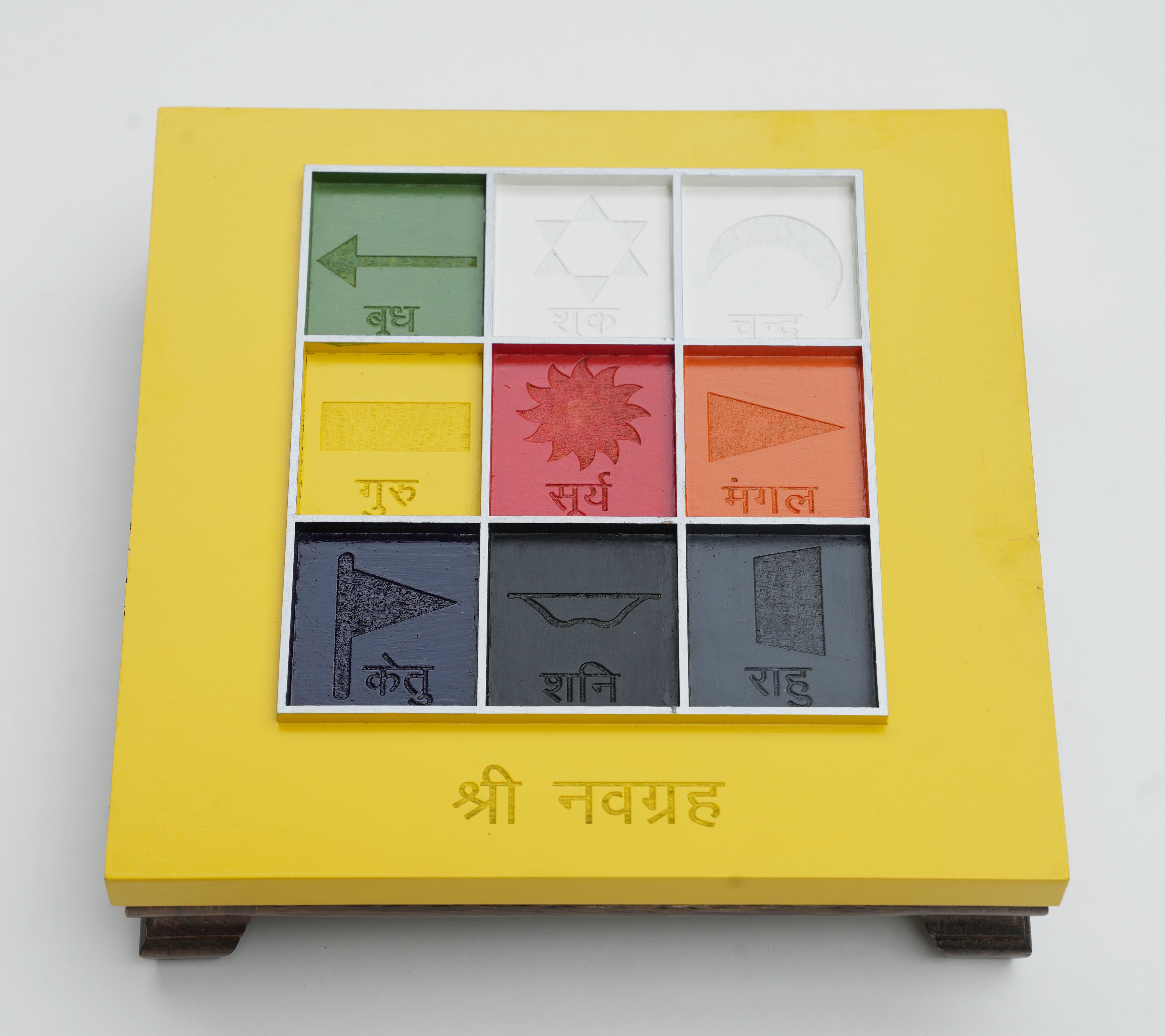
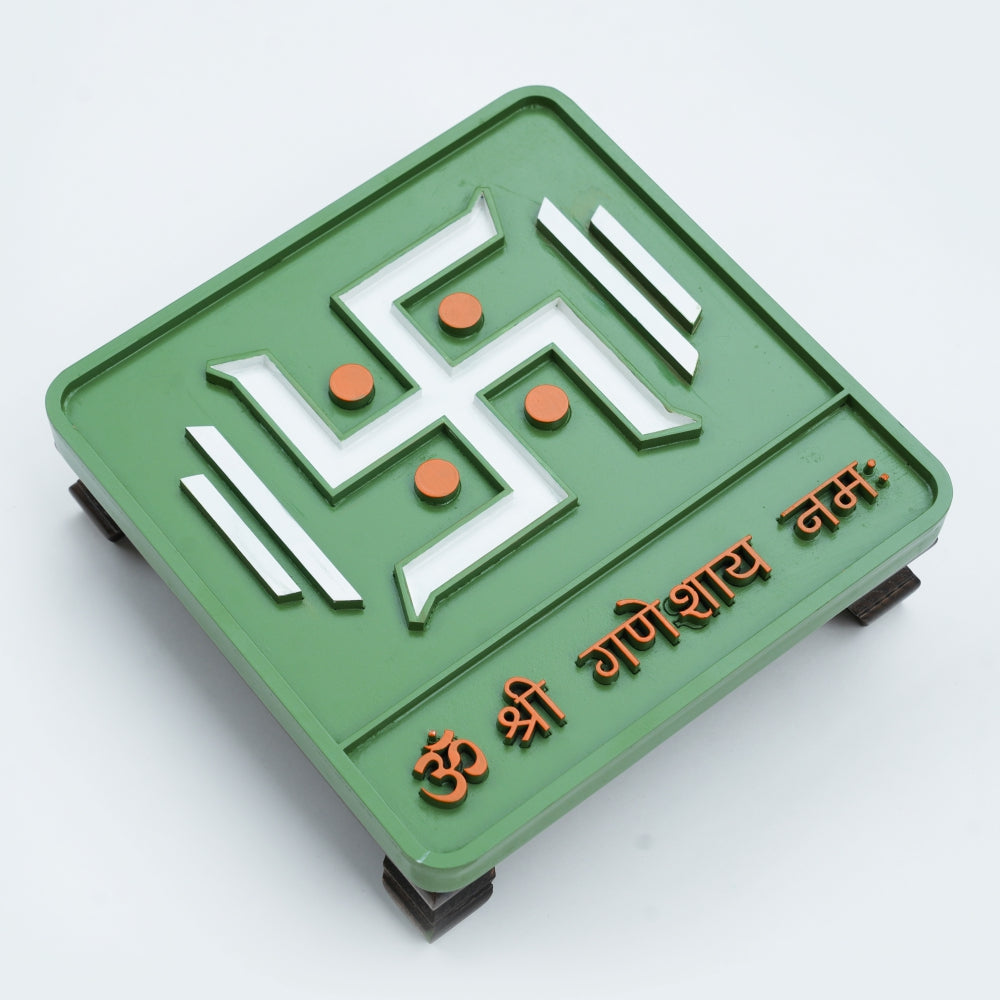
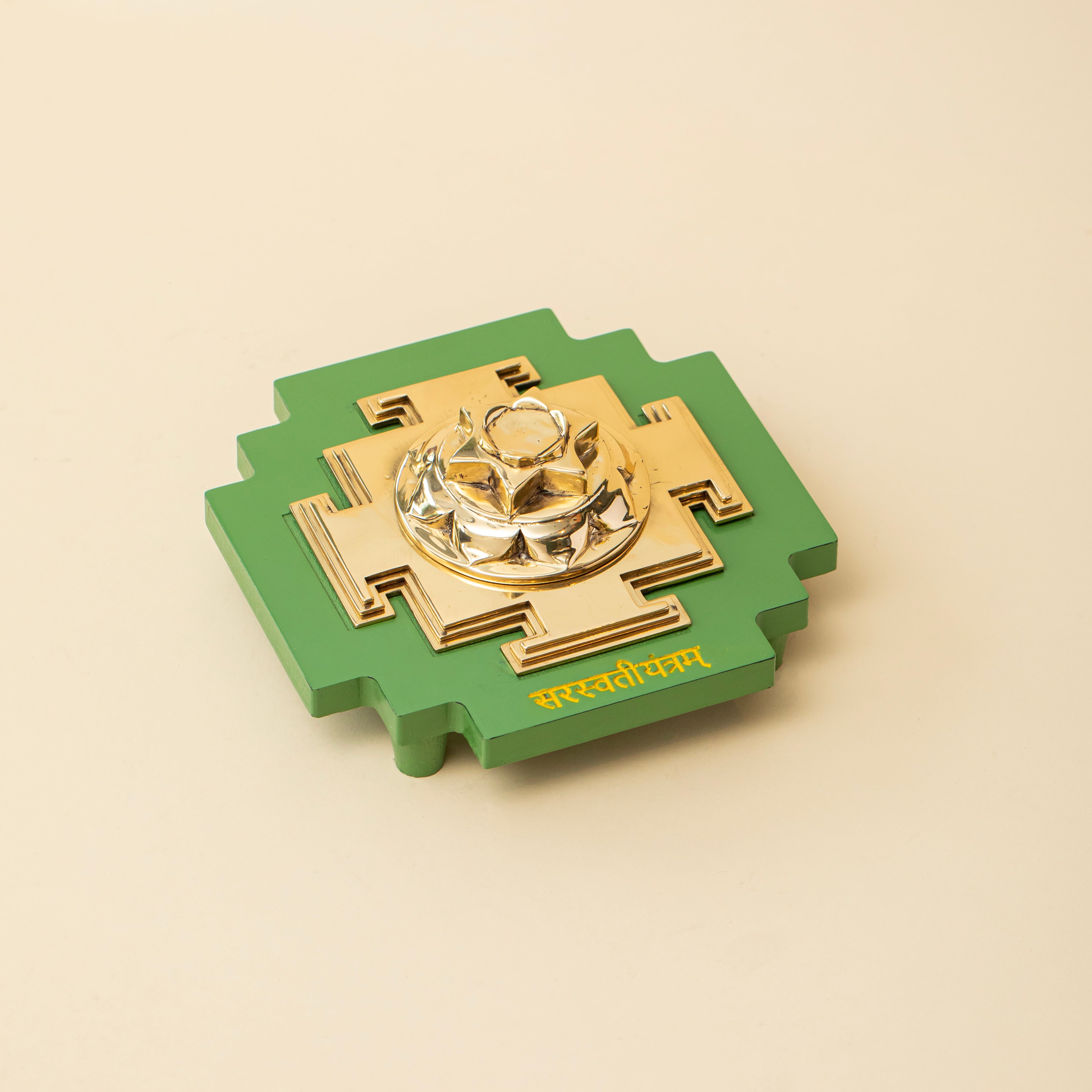
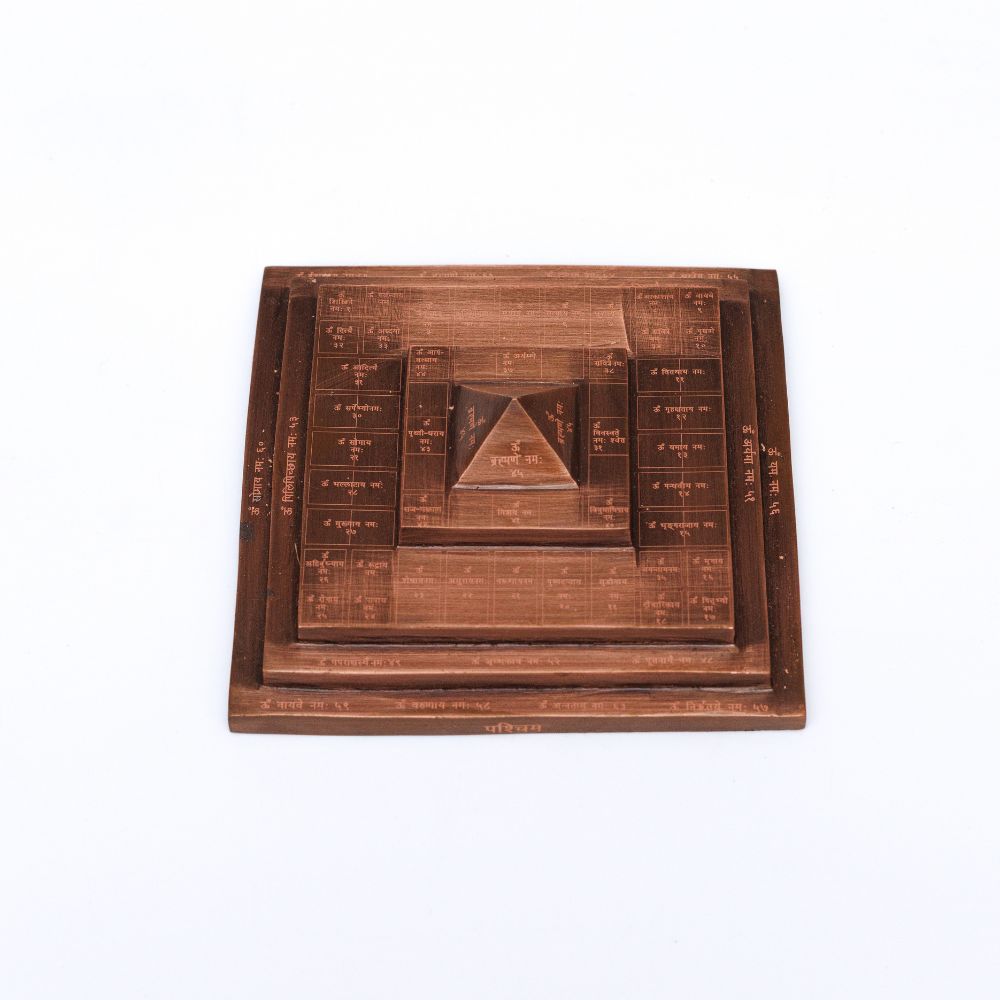
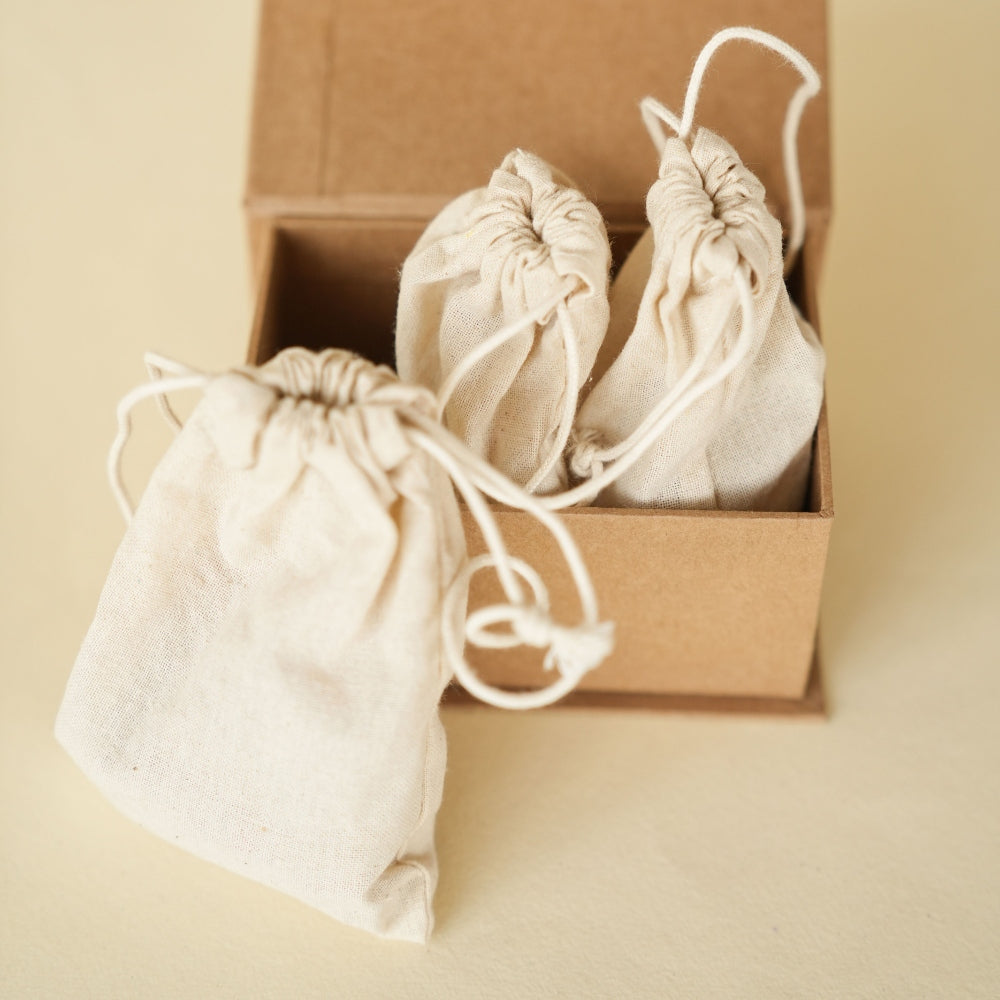
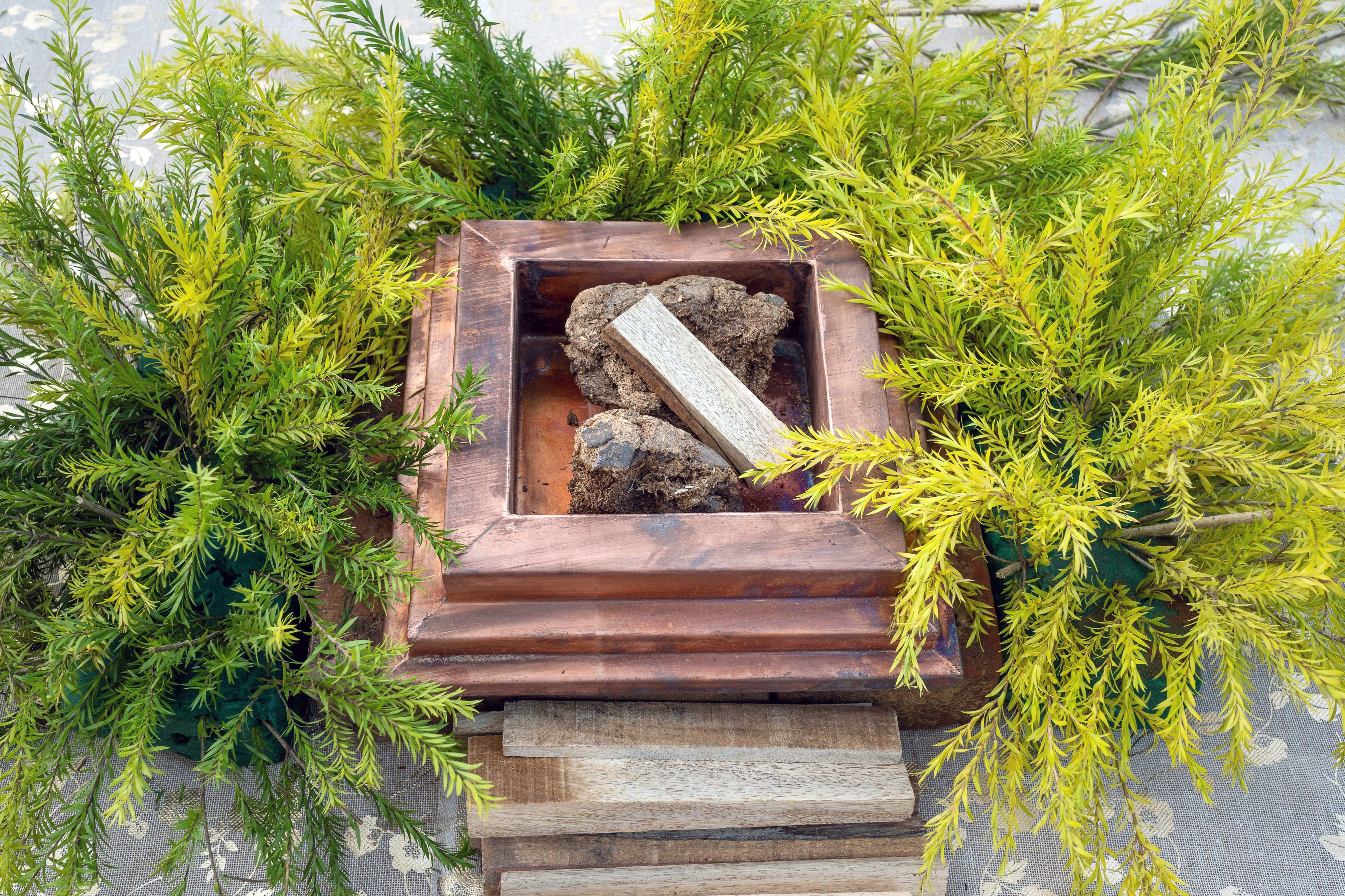


A Havan Kund is an important part of Hindu rituals and pooja ceremonies. It is the sacred fire pit used for performing havan or yajna, where offerings are made into the fire while chanting mantras. The fire is considered a medium that carries prayers to the divine. In Indian homes, temples, and spiritual gatherings, the havan kund holds deep religious and cultural value.
In simple words, a havan kund is the place where sacred fire is lit for spiritual purification, peace, and positive energy. People use it during festivals, weddings, griha pravesh, pitru dosh pooja, and many other religious occasions. Today, many families also perform havan at home using a properly designed havan kund.
The word “Havan” means offering and “Kund” means a container or pit. Together, Havan Kund means a sacred vessel where offerings are given to fire. According to ancient scriptures, fire is considered a purifier that removes negativity from the environment and the mind.
The havan kund is not just a utensil. Its shape, material, and placement all have spiritual significance. When ghee, herbs, samagri, and wood are offered into the fire, it creates a positive vibration in the surroundings. This is why havan is believed to purify the air and bring mental calmness.
People also believe that performing havan regularly brings prosperity, health, and harmony to the family.
Havan is performed for many purposes, depending on the intention of the person. Some common reasons include peace of mind, removal of negative energy, and spiritual growth. Many families perform havan before starting something new, such as moving into a new house or beginning a business.
It is also done to please specific deities, ancestors, or planets. For example, pitru shanti havan is done for ancestors, while navgraha havan is performed to reduce planetary doshas. A properly used havan kund helps focus the ritual and keeps the fire controlled and safe.
Using a havan kund has both spiritual and practical benefits. Spiritually, it helps create a sacred space where prayers feel more focused. The fire energy is believed to cleanse negative thoughts and emotions.
From a physical point of view, the herbs and samagri used in havan release natural elements into the air. Many people feel lighter, calmer, and more peaceful after a havan. It also brings a sense of discipline and mindfulness when done regularly.
Another benefit is safety. A well-designed havan kund keeps the fire contained and reduces the risk of accidents during pooja.
Havan kunds come in different shapes, sizes, and materials. Choosing the right one depends on where and how often you plan to perform havan.
Copper havan kunds are very popular because copper is considered pure and conductive. They are durable and ideal for regular use at home.
Brass havan kunds are also common and are often used for small rituals and daily pooja.
Clay or earthen havan kunds are mostly used for one-time ceremonies. They are eco-friendly but not long-lasting.
Wooden havan kunds with copper lining are used for larger rituals and special occasions.
In terms of shape, square havan kunds are the most commonly used, as they are considered balanced and stable. Some people also use pyramid-shaped or kunds with specific yantra designs for special rituals.
When choosing a havan kund for home use, size matters. For apartments or small rooms, a compact havan kund is best. It should be easy to place and clean after use.
Material is also important. If you plan to perform havan frequently, choose copper or brass for durability. For occasional rituals, a simple kund will work fine. Always ensure the kund has proper depth to hold fire safely.
You can explore well-crafted havan kund options from trusted spiritual stores like Pooja Hetu, where the designs are made keeping traditional guidelines in mind.
Before starting havan, clean the area and place the havan kund on a heat-resistant surface. Traditionally, it is placed in the north-east direction if possible. Keep all pooja items ready, such as samagri, ghee, wood, camphor, and diya.
Light the fire gently and avoid rushing. Offer ghee and samagri slowly while chanting mantras or simply focusing on your intention. Keep water nearby for safety. After the havan, allow the fire to settle naturally instead of forcing it to stop.
Clean the havan kund once it cools down to maintain its purity and longevity.
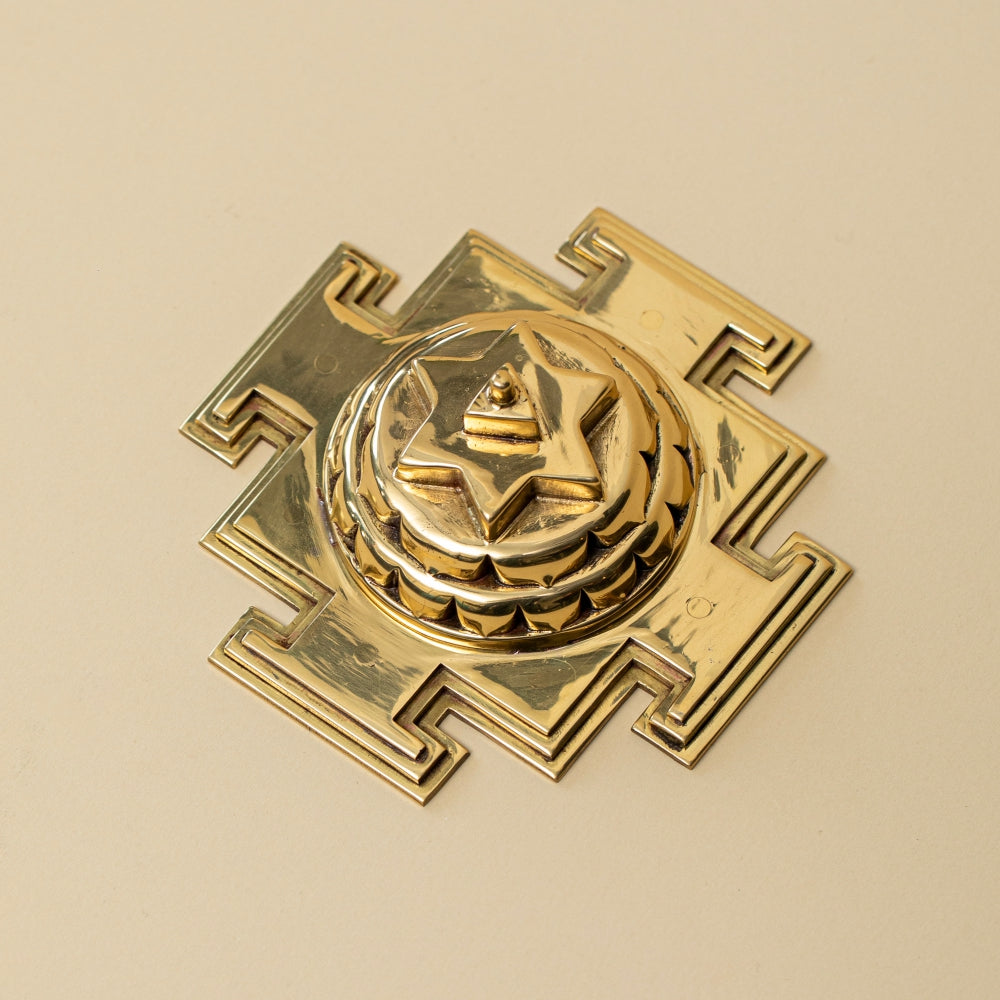
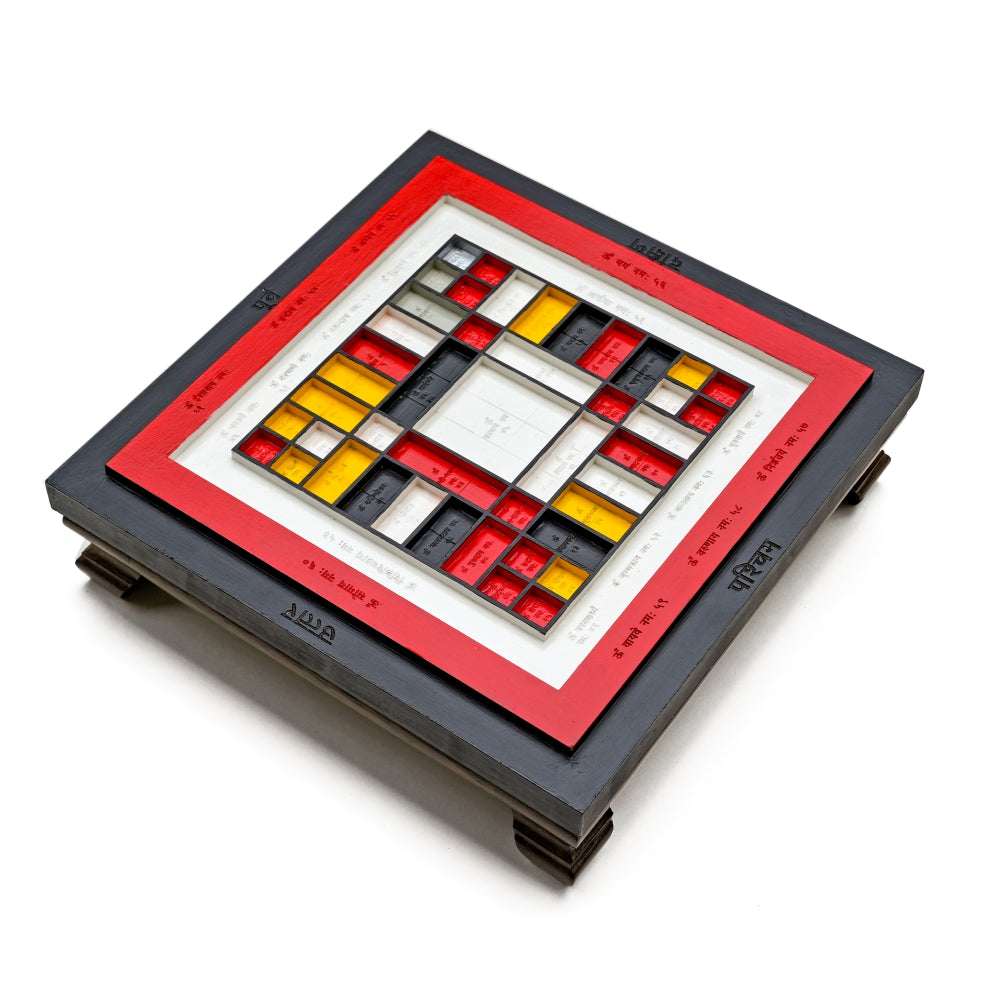
If you are setting up a complete pooja space, a havan kund works best when combined with other spiritual tools. Yantras help channel specific energies and are often placed near the havan area. Pooja chowkis provide a clean and elevated space for rituals.
You may also need pooja samagri, poshak covers, and sacred yantras depending on the type of havan you perform. Linking these products naturally helps create a complete spiritual setup for your home.
If you are setting up a complete pooja space, a havan kund works best when combined with other spiritual tools. Yantras help channel specific energies and are often placed near the havan area. Pooja chowkis provide a clean and elevated space for rituals.
You may also need pooja samagri, poshak covers, and sacred yantras depending on the type of havan you perform.